Garage Door Too Loud? Common Causes and Easy Ways to Make It Quieter
A loud garage door can be annoying, but it can also be an early warning sign of dry moving parts, worn hinges, old rollers, loose hardware, or a spring system that is no longer balancing the door correctly.
Start by Listening to the Type of Noise
Different garage door sounds can point to different problems. Before replacing parts, open and close the door while standing at a safe distance and listen for where the noise is coming from.
| Noise Type | Possible Cause | What to Check |
|---|---|---|
| Squeaking | Dry hinges, rollers, bearings, or spring coils | Lubrication, hinge wear, roller condition |
| Grinding | Worn rollers, bad bearings, track rubbing, opener strain | Rollers, tracks, opener, door balance |
| Rattling | Loose hinges, nuts, bolts, brackets, or opener hardware | Visible fasteners, track brackets, hinge screws |
| Popping | Binding sections, worn hinges, spring tension issues | Hinges, panels, spring balance, track alignment |
| Banging | Broken spring, loose opener, door imbalance, loose hardware | Stop using the door until the source is found |
| Vibration | Loose opener mount, chain-drive opener, loose track hardware | Opener rail, ceiling mount, brackets, fasteners |
Simple Maintenance That Can Reduce Garage Door Noise
Many noisy garage doors improve with basic maintenance. These are the first things to check before replacing parts.
Lubricate Moving Metal Parts
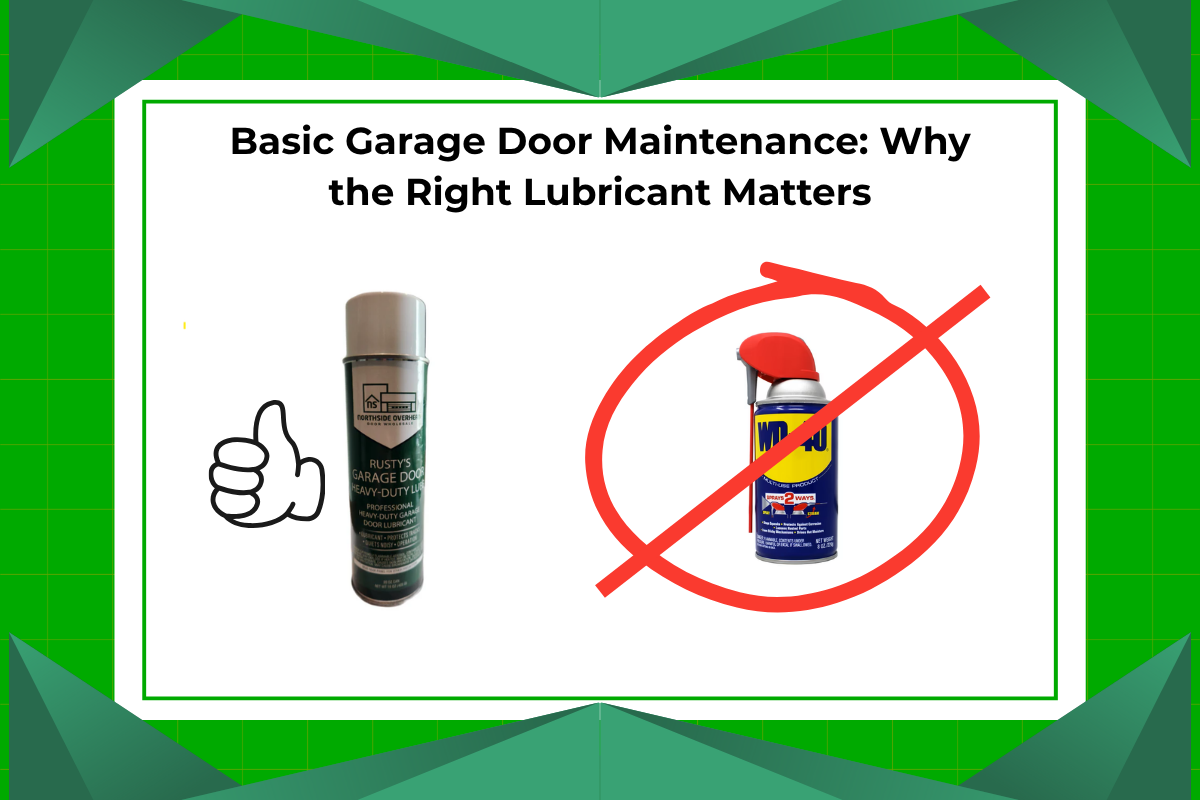
Use a garage-door-rated lubricant, silicone spray, or white lithium lubricant on moving metal parts.
- Hinges
- Roller stems and bearings
- Torsion spring coils
- End bearing plates
- Center bearing
- Metal pivot points
Tighten Loose Hardware
Garage doors vibrate every time they open and close, so hardware can loosen over time.
- Hinge screws
- Track brackets
- Roller brackets
- Opener mounting bracket
- Struts and reinforcement brackets
- Top fixture brackets
Inspect the Hinges and Rollers
Old hinges and rollers are two of the most common causes of squeaking, rattling, popping, and rough garage door movement. Every time the door opens, the hinges pivot and the rollers travel through the track.
Signs Your Rollers May Be Noisy
- Steel rollers sound rough or grind in the track
- Plastic rollers wobble or look worn
- Roller bearings feel loose or dry
- The door shakes while moving
- The track area makes a scraping sound
Signs Your Hinges May Be Worn
- Squeaking between door sections
- Metal shavings near hinge points
- Cracked, bent, or loose hinges
- Door sections shift or flex
- Rattling while the door moves
Recommended Upgrade: QuietFlex Garage Door Hardware Kit
If your garage door is loud because of old hinges, worn rollers, or rattling section hardware, upgrading the hardware can make the door feel smoother and quieter.
Our QuietFlex Hinge Hardware Kit is designed to reduce metal-to-metal noise using self-lubricating nylon bushings. The kit also includes heavy-duty 14-gauge hinges, nylon rollers, and adjustable top brackets for a more complete quiet-operation upgrade.
Best for: squeaking hinges, rattling door sections, worn roller noise, metal-on-metal movement, and garages near bedrooms, offices, or living spaces.
Check Whether the Springs Are Causing the Noise
The garage door opener is not designed to lift the full weight of the door. The springs do most of the lifting. If the springs are worn, broken, or incorrectly sized, the opener may strain and the door can become loud, rough, or unsafe to operate.
Possible Spring Problem Signs
- Door feels very heavy
- Door opens a few inches and stops
- Door slams shut or falls quickly
- Door will not stay halfway open
- Loud bang from the garage
- Visible gap in the torsion spring
- Opener sounds strained
- Cables become loose or come off the drum
When Spring Replacement May Help
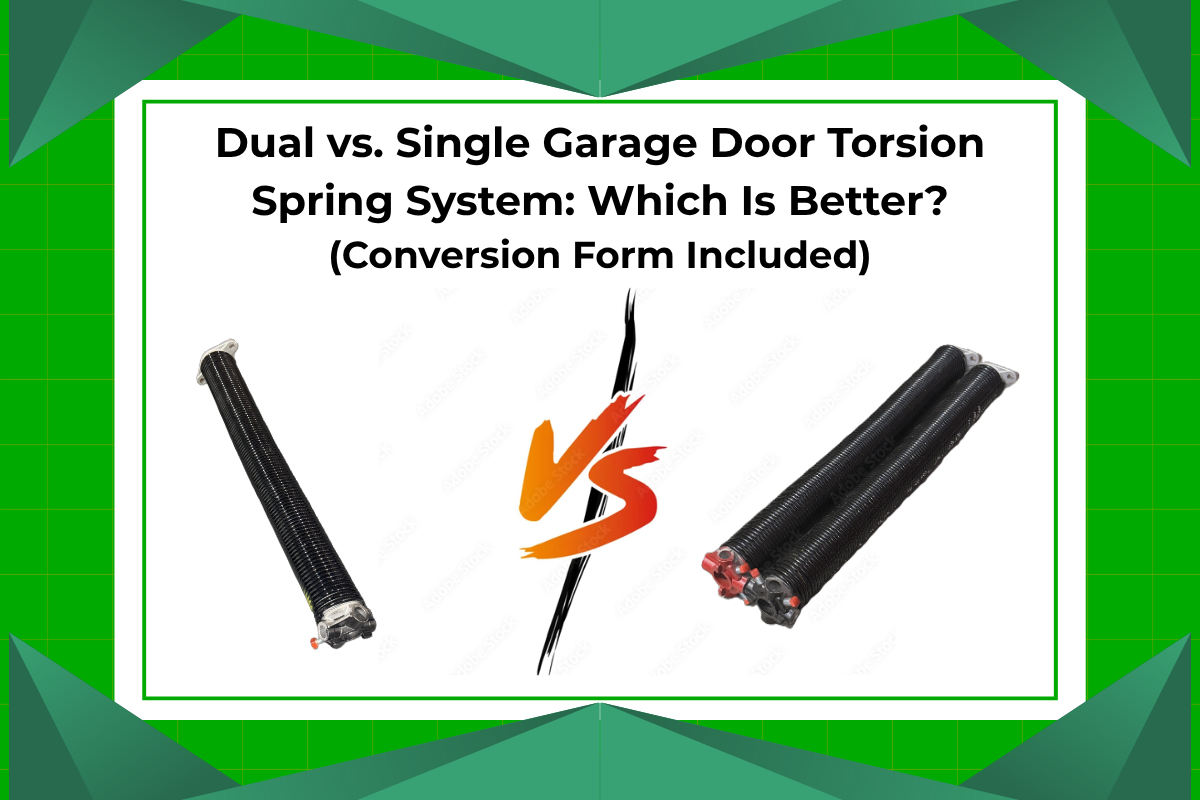
If your garage door is noisy because the springs are worn, broken, or no longer balancing the door correctly, replacing the torsion springs may be the correct repair.
Before ordering replacement springs, confirm the wire size, inside diameter, spring length, and wind direction.
Do Not Forget the Opener, Track, Seals, and Panels
Sometimes the door hardware is not the only source of noise. The opener, track, weather seal, or door sections can also create vibration, rubbing, or scraping sounds.
Check the Opener
- Is the opener rail vibrating?
- Is the chain too loose?
- Is the opener mount secure?
- Does the opener sound loud when disconnected from the door?
- Would a belt-drive opener be quieter than an old chain-drive opener?
Check the Door and Track
- Bent or rubbing tracks
- Loose track brackets
- Rollers rubbing the track edge
- Damaged bottom seal dragging on the floor
- Bent panels or cracked hinges
- Loose struts or reinforcement brackets
Best Parts to Replace for a Quieter Garage Door
| Part or Upgrade | Best For | Why It Helps |
|---|---|---|
| QuietFlex Hinges | Squeaking, rattling, metal-on-metal hinge noise | Self-lubricating nylon bushings help reduce hinge friction and noise. |
| Nylon Rollers | Grinding, rough rolling, worn steel rollers | Nylon rollers reduce metal-on-metal sound inside the track. |
| Torsion Springs | Heavy door, opener strain, door imbalance, broken spring | Correctly sized springs balance the door so the opener does not lift the full weight. |
| Opener Maintenance | Vibration, chain noise, loose opener rail | A secure, properly adjusted opener runs smoother and vibrates less. |
Frequently Asked Questions
Is a noisy garage door dangerous?
Sometimes. A squeak may only mean the door needs lubrication, but banging, popping, grinding, or a door that feels heavy can point to worn rollers, spring problems, loose hardware, or binding parts.
Can lubricant fix a loud garage door?
Lubrication can help if the noise is caused by dry hinges, rollers, bearings, or spring coils. If the parts are worn, bent, cracked, or loose, lubricant may only temporarily reduce the sound.
Are nylon rollers quieter than steel rollers?
Yes. Nylon rollers are commonly used to reduce garage door noise because they reduce metal-on-metal contact and roll more smoothly than worn steel rollers.
Can hinges make a garage door loud?
Yes. Hinges pivot every time the garage door opens and closes. Worn, dry, loose, or thin hinges can squeak, rattle, pop, or cause rough movement.
When should garage door springs be replaced?
Springs should be replaced when they are broken, stretched, no longer balancing the door, or causing the opener to strain. A door that feels heavy or will not stay halfway open may have a spring balance issue.
Make Your Garage Door Quieter
A loud garage door usually means something needs attention. Start with simple maintenance like lubrication, tightening loose hardware, and inspecting rollers and hinges. If the door is still noisy, upgrading worn hinges and rollers can make a major difference.
For a smoother, quieter setup, check out our QuietFlex Hinge Hardware Kit. If the door feels heavy, slams shut, or your opener is struggling, inspect your torsion springs and consider replacing them with correctly sized replacement springs.